Santa Maria Is Growing.. Come Grow with Us!
The Santa Maria Valley sits at the heart of California’s Central Coast, midway between Los Angeles and the San Francisco Bay Area along the U.S. 101 corridor and centered between San Luis Obispo and Santa Barbara. It is a place where some of the world’s most productive farmland meets one of the nation’s busiest spaceports, where a celebrated wine appellation shares the table with the original Santa Maria-Style Barbecue, and where a young, growing, and hardworking population is building the workforce of the future.
This is not a sleepy tourist town — it is the economic engine of California’s Central Coast. North Santa Barbara County, anchored by the Santa Maria Valley, generates the majority of the county’s economic activity, and the region recorded more than $4 billion in taxable sales in 2025. For businesses looking to relocate, expand, or launch, the Valley offers a rare combination: a diversified industrial base, a deep and affordable talent pool, available land with room to grow, and a cost of doing business well below California’s coastal metros.
The Santa Maria Valley Chamber of Commerce — through its Economic Development Commission, Visitor Bureau, Hispanic Business Alliance and Tourism Marketing District — is your single point of connection to the data, partners, and people who can help your business put down roots here and thrive.


Development Incentives
Creating a fertile ground for new businesses to thrive requires a multifaceted approach, and development incentives play a crucial role in attracting and sustaining these ventures. Tax incentives, such as reduced property taxes, income tax holidays, or credits for job creation, can significantly alleviate the financial burden on startups during their crucial early years. Furthermore, access to readily available and affordable real estate, with room for expansion, allows businesses to scale operations without the constraints of limited space or exorbitant leasing costs. A low cost of doing business, encompassing factors like streamlined permitting processes, reasonable utility rates, and access to affordable essential services, further enhances the appeal for entrepreneurs considering where to establish their companies. By strategically combining these incentives, communities can foster a vibrant and dynamic ecosystem for new businesses, ultimately contributing to job creation and economic growth.
Targeted Sectors
The Santa Maria Valley’s economy rests on a diversified foundation that protects it from the boom-and-bust cycles of single-industry towns. The Chamber’s Economic Development Commission has identified the following high-opportunity clusters where the Valley’s assets, workforce, and infrastructure give businesses a competitive edge.
Agriculture is the backbone of the Valley and one of the most productive growing regions in the world. Santa Barbara County farms generate well over $1.5 billion in annual crop value, and the Santa Maria Valley is a national leader in strawberries, wine grapes, broccoli, cauliflower, celery, lettuce, and a wide range of leafy vegetables and herbs. Agriculture supports roughly 27,000 jobs across the region and anchors a growing ecosystem of cooling, packing, logistics, food processing, and ag-technology companies. For agribusiness, food-and-beverage manufacturers, and ag-tech innovators, the Valley offers proximity to supply, a skilled agricultural workforce, and year-round growing conditions.
The Santa Maria Valley is an emerging Central Coast destination built on authentic experiences. The Santa Maria Valley AVA is one of California’s premier cool-climate wine regions, with more than 20 tasting rooms and the scenic Foxen Canyon Wine Trail. Add the region’s signature Santa Maria-Style Barbecue — a tradition recognized as a mainstay of California’s culinary heritage — plus the Santa Maria Fairpark and a full calendar of festivals, and you have a visitor economy with real room to grow. The Chamber’s Tourism Marketing District provides a stable, long-term funding platform for destination marketing without new taxes, supporting hotels, restaurants, wineries, and experience-based businesses.
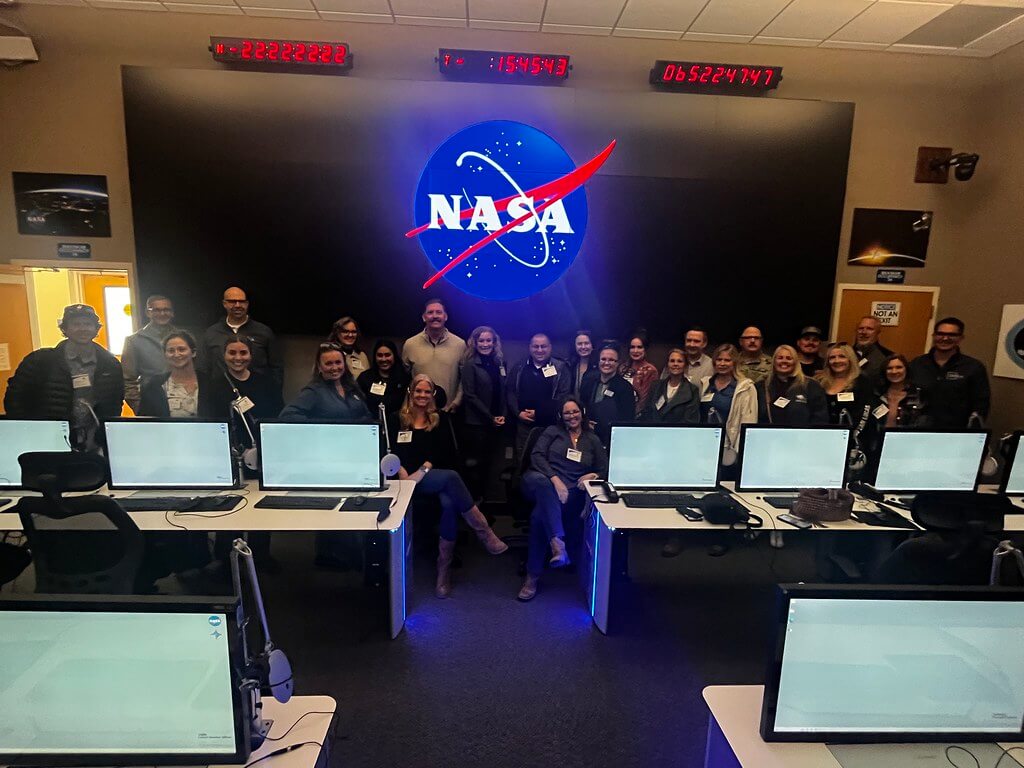
Just west of the Valley, Vandenberg Space Force Base has made the Central Coast one of the most important launch and defense hubs in the country. Vandenberg generated an estimated $5.5 billion in economic impact in 2025 and, with its contractors, employs more than 6,000 people. Industry leaders including SpaceX, United Launch Alliance, Firefly Aerospace, Boeing, Lockheed Martin, and Northrop Grumman operate in the region. As launch cadence accelerates, demand is rising for suppliers, advanced manufacturers, engineering services, and the housing and amenities that support a high-skill aerospace workforce — and Santa Maria is the closest full-service community to the base.
Healthcare is among the Valley’s fastest-growing sectors, employing roughly 12,500 workers and expanding about 22% over the past five years. The region is anchored by Marian Regional Medical Center, the A.T. Still University Santa Maria campus, and a growing cluster of life-sciences and diagnostics firms such as Hardy Diagnostics. With a large, aging Central Coast population and a pipeline of locally trained clinicians and technicians, the Valley is fertile ground for medical providers, specialty practices, senior-care operators, and medical-device and diagnostics manufacturers.
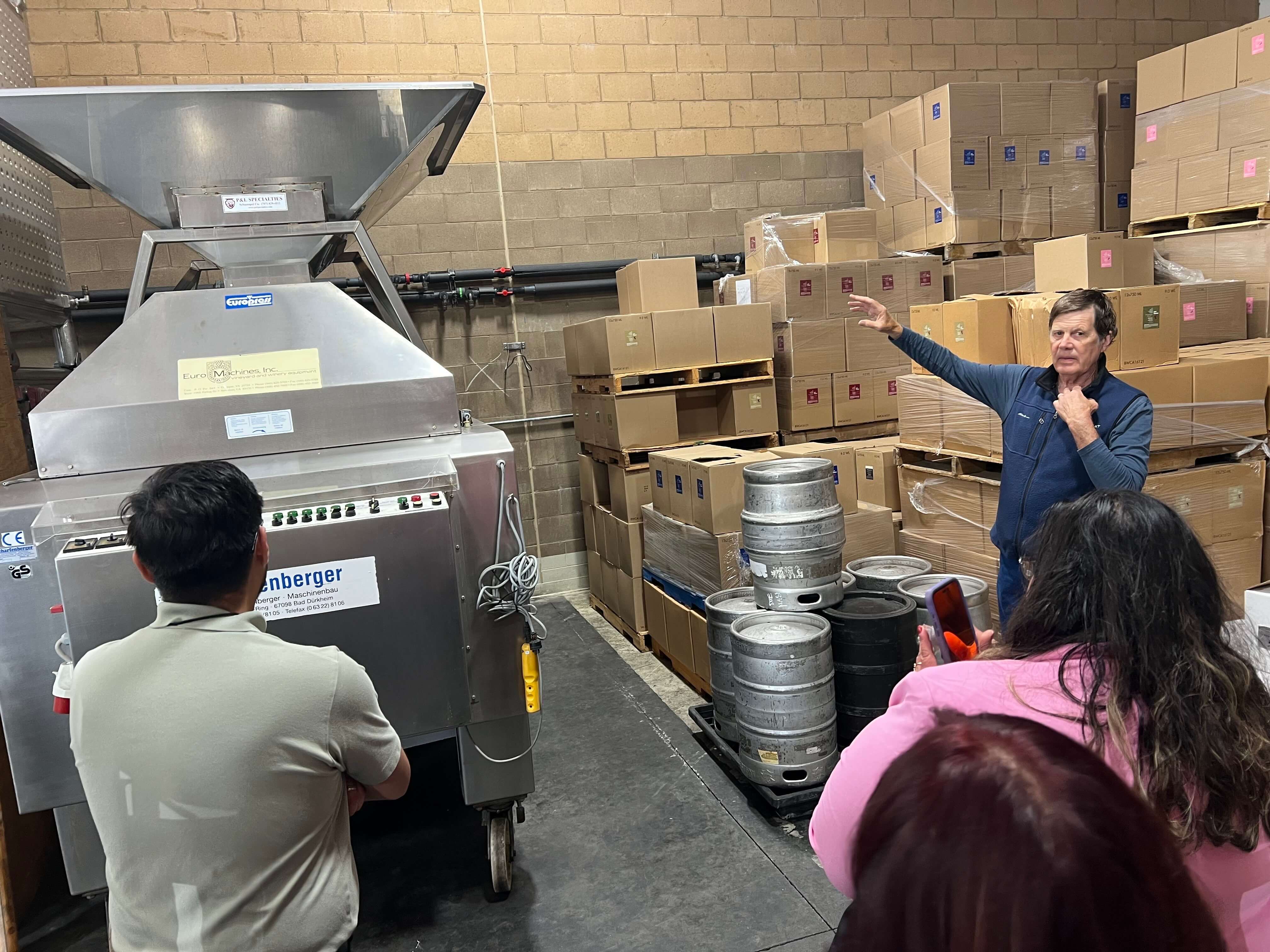
The Valley’s industrial heritage and competitive operating costs make it a strong fit for advanced manufacturing, fabrication, energy, and logistics operations. Companies such as Associated Steel Products, CalPortland, and Hardy Diagnostics manufacture here, supported by available industrial land, the Santa Maria Public Airport District, rail service via the Santa Maria Valley Railroad, and ready access to the U.S. 101 corridor. The region’s energy sector and infrastructure base round out an environment built for companies that make and move things.
- Explore regional data: Santa Maria Business Data
- Request a custom report: Custom Data Reporting
- Learn the basics: Doing Business in the Santa Maria Valley
- Connect with partners: Resources & Partners
Business Relocation & Expansion
A growing population, a young and diverse workforce, and a diversified industrial base make the Santa Maria Valley one of the most compelling places to invest on California’s Central Coast. The region is centrally located on the U.S. 101 corridor between Southern California and the Bay Area, served by the Santa Maria Public Airport, the Santa Maria Valley Railroad, and nearby commercial and shipping connections.
As the economic engine of North Santa Barbara County, the Valley already accounts for the majority of the county’s taxable sales and a growing share of its job creation. That momentum, combined with available land, an expanding consumer base, and a deep talent pool, creates genuine opportunity for both established companies and ambitious startups.
When you are ready to explore the Valley, the Chamber’s Economic Development Commission and our partners can provide custom market data, site information, and warm introductions to the people who make things happen here.
How the Economic Development Commission Can Help
The Economic Development Commission (EDC) serves as a key advisory group to the Santa Maria Valley Chamber, providing critical guidance to keep our business community competitive and resilient. The EDC monitors key economic indicators, tracks regional commercial activity, identifies emerging opportunities, and recommends priority initiatives the Chamber pursues on behalf of the Valley. Its members represent core local industries, public agencies, and regional economic-development partners.
Whether you are a site selector, a business owner considering expansion, or an investor evaluating the Central Coast, the Chamber is your first call.